|
|
|
|
|
|
|
long-term contracts based on quality as well as speed |
|
|
|
|
|
|
|
|
a mutual vested interest in each other's future |
|
|
|
|
|
|
|
|
a long-term strategic orientation |
|
|
|
|
|
|
|
|
top-rank support for the relationship in both groups |
|
|
|
|
|
|
|
|
reciprocal relationships based on sharing strengths |
|
|
|
|
|
|
|
|
coordinative management styles based on collaboration |
|
|
|
|
|
|
|
|
All of these attributes reflect a significant shift in the nature of the relationship between a sponsor and a CRO. Accordingly, some structural and procedural changes on the sponsor's part should be considered, to create the ideal environment in which these characteristics can grow and flourish. |
|
|
|
|
|
|
|
|
A. Company Organization: Redefining the Structure |
|
|
|
|
|
|
|
|
Any company that is considering working closely with CROs on a significant portion of its drug development activities should consider looking at an organizational structure that reflects the nature of its relationships with CROs. |
|
|
|
|
|
|
|
|
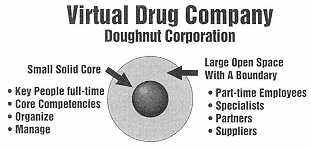
Charles Handy, in The Age of Paradox [10], suggests a doughnut organization (Fig. 2) with a solid core that contains the company's internal resources and core competencies and a space surrounding the core that contains others who are needed to perform key functions that arise on a periodic basis. |
|
|
|
|
|
|
|
|
This most curious doughnut [11], with its solid center and surrounding space, is a fitting model for the development phase of the pharmaceutical or biotech company's efforts. At the core are the essential internal components of the company, such as key full-time employees, core competencies (drug discovery, for example, along with financial and regulatory affairs), and organizational and management resources. In the surrounding space, outside parties can move in and out to meet changing company needs that exist beyond the |
|
|
|
|
|
|
|
|
Fig. 2
The doughnut organizational structure into which
pharmaceutical or biotech product development fits in
well. Adapted from Charles Handy. The Age of Paradox. |
|
|
|
|
|