|
|
|
|
|
|
|
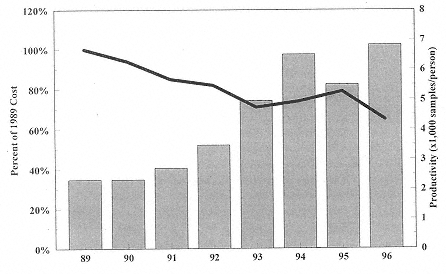
manufacturers. As seen from Figure 9, the actual cost per test has been reduced by 35% over the past 5 years (more if inflation is taken into account), and this cost reduction, achieved because of the additional clinical samples, is of direct cost saving on the toxicology studies. |
|
|
|
|
|
|
|
|
As we have seen, the doubling in the workload did not result in an increase in analytical staff. In fact, with the exception of purchasing an immunoassay instrument, a fax machine and additional filing system, no other purchases were made specifically to support the clinical work. All other instruments, although of a slightly higher capacity than needed solely for toxicology, are used for all samples. The physical size of the laboratory has not increased, equipment service and maintenance contracts remain the same, electricity and services remain unaltered, but the telephone costs have more than trebled. |
|
|
|
|
|
|
|
|
One significant hidden benefit of being part of a large organization like Zeneca is that the laboratory gains the advantage of corporate rates agreed between Zeneca PLC and the courier company. Based on the total value of business generated by the company the cost of transporting samples to the laboratory is significantly less than if the laboratory was negotiating courier prices in isolation. The saving in a given year can be in excess of £100K. |
|
|
|
|
|
|
|
|
Fig. 9
Reduction in the actual cost of analysis (consumables and laboratory salaries) over
8 years as a percentage of the 1989 cost. The vertical bars display the increased
laboratory productivity over the same period. |
|
|
|
|
|