|
|
|
|
|
|
|
development of a stronger linkage between Research, Development, Marketing and other functions. |
|
|
|
|
|
|
|
|
Whatever approaches are taken to portfolio review and analysis, the aim is to ensure a balance of three elements, as shown in Fig. 1. |
|
|
|
|
|
|
|
|
Analysis and review of these elements allows the company to determine whether the pipeline is capable of delivering the returns demanded by the corporate strategic aims and ensure that resources are available and directed to those areas most likely to produce future success. The importance attached to each component and the weighting given reflects the individual style and philosophy of the company. Irrespective of differences in style, there are common techniques and processes to provide a robust underpinning to ensure the value of the portfolio review process. |
|
|
|
|
|
|
|
|
II.
Why Bother with Portfolio Review and Analysis? |
|
|
|
|
|
|
|
|
This section considers the overall value of portfolio review and analysis techniques to the company. |
|
|
|
|
|
|
|
|
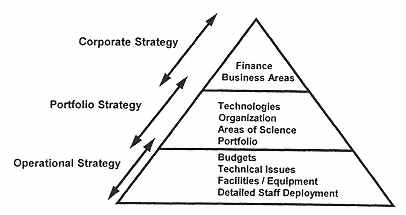
Portfolio review and analysis offers a means to link the strategic goals of the company to its operational plans, as represented in Fig.2. |
|
|
|
|
|
|
|
|
Portfolio review forces insight into the value of individual projects and their contribution to corporate aims. It allows optimization of resource usage across therapeutic areas, phases of development, and according to different strategic scenarios. |
|
|
|
|
|
|
|
|
FIG. 2
The link between the strategic goals and operational plans of a company. |
|
|
|
|
|