|
|
|
|
|
|
|
the trade-off of simplicity and speed versus quality |
|
|
|
|
|
|
|
|
transparency and buy-in across project and line functions |
|
|
|
|
|
|
|
|
alignment of expert forecasts with historic precedent. |
|
|
|
|
|
|
|
|
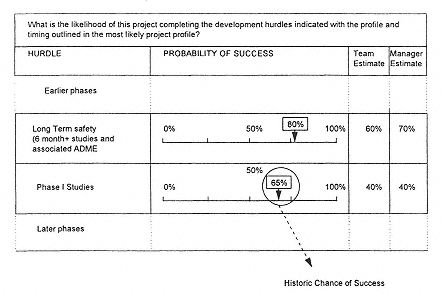
R&D feasibility data are readily collected by a questionnaire approach which enables a consistency of assessment across projectsprovided that the questions are clear and unambiguous. They must relate obviously to the product profile and be easily answered. One approach is to design a series of questions which consider the chances of success at various stages of development with the intention that individual functional experts and Project Teams address their area of expertise. An example is shown in Fig. 3. |
|
|
|
|
|
|
|
|
In this example, the project team is asked to assess the likelihood of successfully completing each development stage with the desired profile. The team is given some guidance by showing the historic probability of success for the company at this stage. These questions may consider the probability of success at each hurdle in the development process, for example, chance of successfully passing through the research stage, chance of successfully passing through short term toxicology and the associated pharmacokinetic hurdles, chance of successfully completing long term toxicol- |
|
|
|
|
|
|
|
|
FIG. 3
An example of a chart designed to determine the likelihood of a project
successfully meeting intended profile. |
|
|
|
|
|