6120. Methyl Salicylate
Nomenclature
CAS number: 119-36-8
2-Hydroxybenzoic acid methyl ester; wintergreen oil; betula oil; sweet birch oil; teaberry oil. C8H8O3; mol wt 152.15.
C 63.15%, H 5.30%, O 31.55%.
Description and references
Present in leaves of Gaultheria procumbens L., Ericaceae, in the bark of Betula lenta L., Betulaceae; prepd by esterification of salicylic acid with methanol. Toxicity data: P. M. Jenner et al., Food Cosmet. Toxicol. 2, 327 (1964).
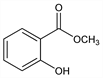
Properties
Colorless, yellowish or reddish, oily liq; odor and taste of gaultheria. mp 8.6°. bp 220-224°. d2525 1.184. d of the natural ester is ≈1.180. nD20 1.535-1.538. Flash pt, closed cup: 210°F (99°C). Slightly sol in water: one gram in about 1500 ml; sol in chloroform, ether. Misc with alcohol, glacial acetic acid. LD50 orally in rats: 887 mg/kg (Jenner).Caution
Potential symptoms of overexposure are hyperpnea, apathy, lassitude; anorexia, nausea, vomiting, thirst; headache, dizziness, tinitis, difficulty with hearing and vision; confusion, irritability, mania, generalized convulsions; deep coma, death due to respiratory failure or cardiovascular collapse. Direct contact may cause irritation of skin and mucous membranes. See Clinical Toxicology of Commercial Products, R. E. Gosselin et al., Eds. (Williams & Wilkins, Baltimore, 5th ed., 1984) Section II, p 205; Section III, pp 368-375.Use
In perfumery; for flavoring candies, etc.Therapeutic Category
Counterirritant.