Nomenclature
CAS number: 298-02-2
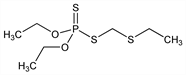
Phosphorodithioic acid
O,O-diethyl
S-[(ethylthio)methyl] ester;
O,O-diethyl
S-(ethylthio)methyl phosphorodithioate;
O,O-diethyl
S-ethylmercaptomethyl dithiophosphate; AC-3911; EI-3911; ENT-24042; Thimet (AMVAC Chem).
C
7H
17O
2PS
3; mol wt 260.38.
C 32.29%, H 6.58%, O 12.29%, P 11.90%, S 36.94%.
Description and references
Organophosphate insecticide; cholinesterase
inhibitor. Prepn: Schrader, Lorenz, US 2759010; GB 797307 (1956, 1958 both to Bayer). Metabolism: J. B. Bowman, J. E. Casida, J. Agric. Food
Chem. 5, 192 (1957) DOI. Persistence in soil: D. L. Suett, Pestic. Sci. 6, 385 (1975) DOI. Toxicity study: T. B. Gaines, Toxicol. Appl. Pharmacol. 14, 515 (1969) DOI PubMed.
Properties
Clear liquid, bp0.1 75-78°, bp0.8 118-120°, bp2.0 125-127°. d425 1.156. nD25 1.5329. Vapor pressure at 20°: 8.4 ×
10-4 mm Hg. Soly: 50 ppm in water. Misc with xylene,
carbon tetrachloride, dioxane, methyl cellosolve, dibutyl phthalate,
vegetable oils. Stable at room temp. Hydrolyzed in the presence
of water and alkali. Poisonous. LD50 in female, male rats (mg/kg): 1.1, 2.3 orally; 2.5, 6.2 dermally (Gaines).Caution
Potential symptoms of overexposure
are irritation of eyes, skin, respiratory system; miosis; rhinorrhea;
headache, chest tightness, wheezing, laryngeal spasms, salivation,
cyanosis; anorexia, nausea, vomiting, abdominal cramps, diarrhea;
sweating; muscle fasciculations, weakness, paralysis; giddiness, confusion,
ataxia; convulsions, coma; low blood pressure; cardiac irregularities.
See NIOSH Pocket Guide to Chemical
Hazards (DHHS/NIOSH 97-140, 1997) p 252.Use
Insecticide.