|
|
|
|
|
|
|
the publishing findings), ranitidine did increase the peak blood-alcohol concentration following the 0.15 g/kg dose from 13 mg/dL at baseline to 16 mg/dL. The largest single individual change at this dose was from 16 mg/dL at baseline to 26 mg/dL with ranitidine. |
|
|
|
|
|
|
|
|
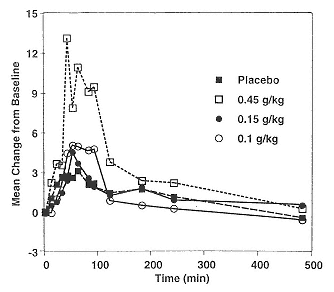
There is little literature on the pharmacological or clinical relevance for incremental changes in blood alcohol at such low concentrations. A PK/PD ethanol study on cognitive performance was conducted by giving a 20-minute intravenous ethanol infusion. This simulated oral absorption to volunteers targeting peak ethanol-blood concentrations of 0, 13, 26, and 80 mg/dL, respectively [12]. The study was randomized, double-blind, placebo-controlled, and crossover in design. While a decrease in cognitive performance could be detected at the highest ethanol-blood concentration, a pharmacodynamic difference could not be detected between the 13- and 26-mg/dL blood levels (i.e., most sensitive subject from the previous study) (Figure 5). |
|
|
|
|
|
|
|
|
While it is common to find pharmacokinetic drug interactions with marketed products, deciding on the need to warn patients or change the label can be difficult when the clinical relevance of the change in drug exposure is not known. These publications often conclude with wording such as While the clinical relevance for the interaction is not known, patients should be warned |
|
|
|
|
|
|
|
|
Fig. 5
Mean divided-attention tracking scores (n=8) at
moderate difficulty level following ethanol doses as
listed in the panel. |
|
|
|
|
|