|
|
|
|
|
|
|
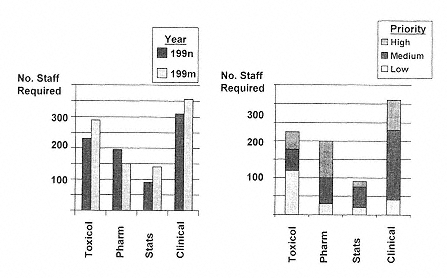
Risk-adjusted resource forecasts are required to help line managers define future resource needs and identify potential pinch points. These are usefully supplemented with more detailed information on expected distribution by agreed priority groups. An example is shown in Figure 13. |
|
|
|
|
|
|
|
|
Figure 13 clearly shows significant increases in resource requirements in Toxicology, Statistics and Clinical in future years. If these are outside expected budget, then the immediate implication is that new staff is required or some contracting-out of work is appropriate. However looking at the second graphic, it is clear that relatively little effort is focused on the highest priority projects. There is obviously scope for reallocating staff; reiteration of the available risk/return data quickly indicates the implications for return and risk if staff are reallocated. |
|
|
|
|
|
|
|
|
The portfolio analysis should provide easily digested data to aid prioritization and understanding and also information to drive future direction. This more strategic view demands considering rather different views of the available data. For example, although Figs. 8-10 provided a view of the overall value of the portfolio, there is no feel for the timing of delivery of that value |
|
|
|
|
|
|
|
|
FIG. 13
A risk-adjusted resource forecast distributed by priority groups. |
|
|
|
|
|