|
|
|
|
|
|
|
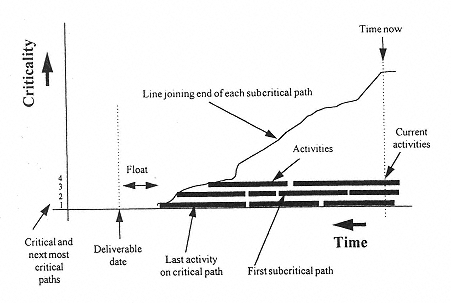
FIG. 5
The criticality measure: Each activity path had its own measure of criticality
dependent on the float to the deliverable data. |
|
|
|
|
|
|
|
|
effective avenue for the project. Figure 4 shows how the requirements and budget were passed down and variances to plan flowed up for resolution. |
|
|
|
|
|
|
|
|
Each level creates a plan that is integrated at the next level. Computerized plans are produced for levels 0 to 3. The level 4 plan is a rolling quarter-year plan created against which individual staff were assigned with agreement between the department heads and the TPC. The level 5 plan is a day-by-day individual plan created for a week and agreed on between the TPC and his staff. |
|
|
|
|
|
|
|
|
Each area had a degree of management flexibility, before variances were brought to higher levels for resolution, that depended on how critical the activity was to the deliverables and milestones. (The next section indicates how the criticality of activities was measured.) The computerized network plans were updated weekly in line with a strictly followed timetable, as shown in the following sections. |
|
|
|
|
|
|
|
|
2.
Key Performance Indicators |
|
|
|
|
|
|
|
|
To ensure that the project was continuing and improving, a number of Key Performance Indicators (KPIs) were developed. These were aimed at showing whether the changes and the project progress were to plan. Specialist |
|
|
|
|
|