|
|
|
|
|
|
|
decision types (e.g., pharmacodynamic, pharmacokinetic, pharmacoeconomic), organize the information collected, commit people to think about how the information will be used before it is collected, predict reality before it is measured, and create a framework for learning when the information does not fit the model. Working models tend to minimize the information and resource expenditure that is needed to make a decision thereby leading to efficiency. |
|
|
|
|
|
|
|
|
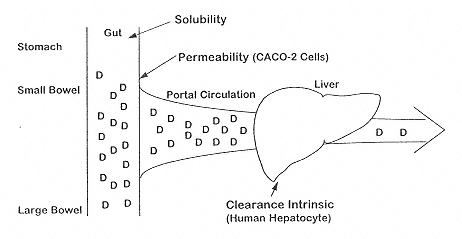
An example of the potential value for models is in the drug absorption process. Creating a human drug absorption model could allow only those drugs that are capable of being absorbed to be selected from discovery research for development (Figure 8). A physiologic model that incorporates solubility, caco-2 permeability, and human hepatocyte intrinsic clearance might be used at the discovery/development interface for NCE selection in addition to the relative potency and selectivity of the chemical candidates. By incorporating such a model, chemicals might be selected based upon the overall balance of these critical characteristics. The model might also create the basis for engaging academic researchers to improve the model by developing other cultured cell lines from other regions of the gastrointestinal tract, adding gut-wall metabolism, and predicting the influence of food on absorption by incorporating the presence of bile and changes in portal blood flow. Development and ownership for this model would cut across basic research, drug metabolism, formulation development, and clinical pharmacology. This wisdom developed across scientific disciplines should be transparent to the NCE project development team in that absorption problems would be less likely. |
|
|
|
|
|
|
|
|
 |
|
|
|
|
|
|
|
|
Fig. 8
Human absorption model. |
|
|
|
|
|