|
|
|
|
|
|
|
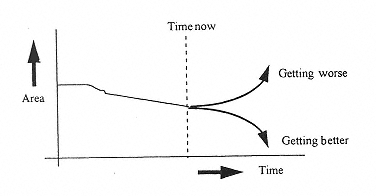
FIG. 7
The Criticality KPI: The weekly trend showing whether the
program was improving or getting worse. |
|
|
|
|
|
|
|
|
As the area increased, the program was becoming more critical and, hence, more unlikely to be achieved, and, as the area reduced, the program was becoming easier to achieve. |
|
|
|
|
|
|
|
|
3.
The Variances and How to Control Them |
|
|
|
|
|
|
|
|
Variances to the program (or costs) were raised by any level within the organization. A strict timetable of meetings and variance resolution was followed to ensure that variances were handled quickly. (Previously, problems were hidden through fear of failure, so that, when they eventually surfaced, they were usually irreparable.) The message was that failure was not a failure to achieve the program, so revealing a failure in good time eventually became part of the new culture. Accordingly, there was a great deal more openness in the organization with problems discussed rather than hidden. This timetable is shown in Fig. 8. |
|
|
|
|
|
|
|
|
Armed with variances and criticality information, the best use of management time could be achieved by accepting noncritical variances and resolving those with a severe impact on the deliverables. Compression of timescales was also achieved using the backward path information because saving weeks off the critical path without looking at the next most subcritical path was pointless. The Project Managers weekly meeting evaluated the elements in Fig. 9 that formed the agenda for the meeting. |
|
|
|
|
|
|
|
|
The risk register also was a fundamental element of the program for estimating future costs, variances, and the actions of special action teams. |
|
|
|
|
|